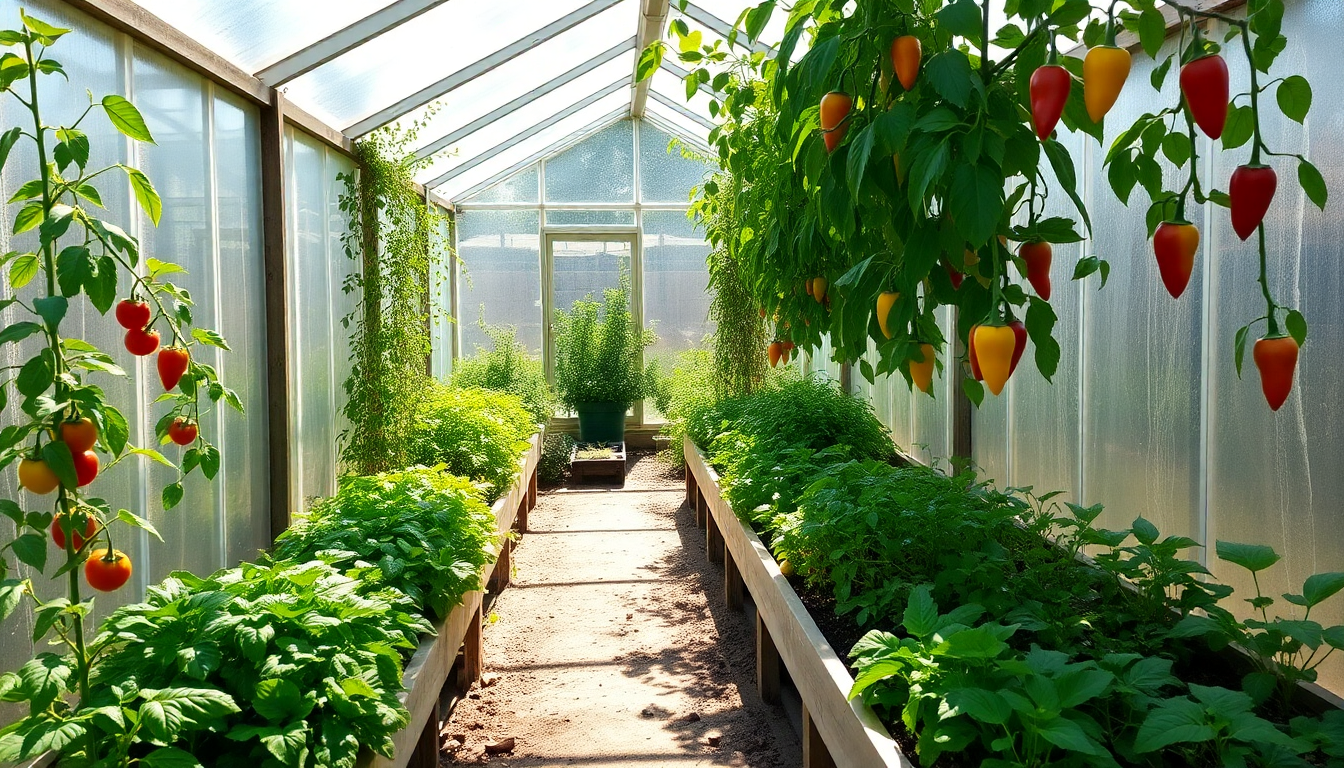

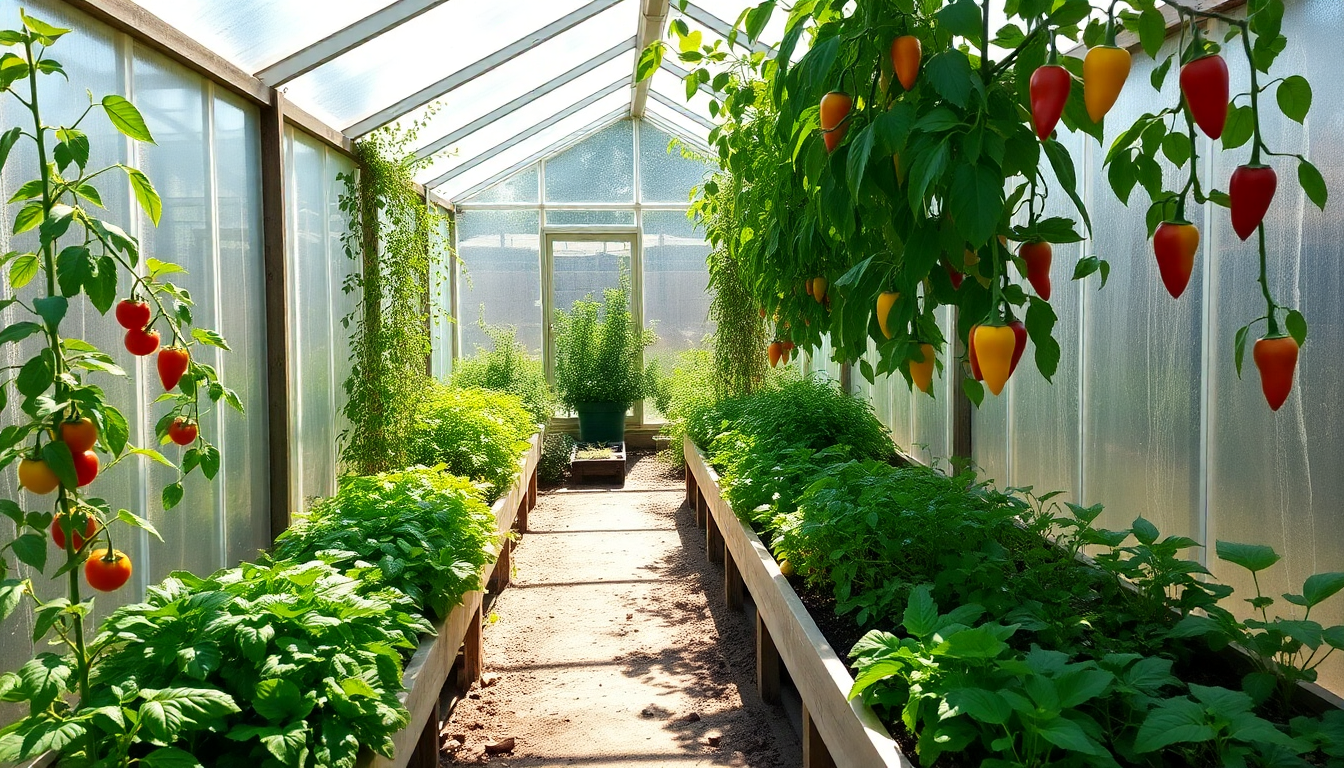
In an era of increasing environmental awareness and a desire for healthier, homegrown food, the greenhouse is making a powerful comeback. No longer just a luxury for avid gardeners, GreenhouseStores are becoming an essential tool for those looking to enhance their gardening experience and embrace sustainability. By offering an ideal growing environment, greenhouses allow gardeners to cultivate plants year-round, regardless of external weather conditions. This article will explore why greenhouses are fast becoming a key player in the future of sustainable gardening.
The Rising Demand for Sustainable Solutions
As the world grapples with climate change, more gardeners are turning to greenhouses as part of their commitment to sustainability. With unpredictable weather patterns, long periods of drought, and temperature extremes, gardeners face growing challenges when it comes to protecting and nurturing their plants. Greenhouses provide the ideal solution, offering a stable microclimate where plants can thrive despite external conditions.
Greenhouses reduce reliance on chemicals and pesticides by creating a controlled environment that naturally deters pests, helping to keep the need for harmful substances to a minimum. This eco-friendly approach aligns with the growing trend of organic and natural gardening practices, which are gaining momentum among gardeners of all experience levels. The use of greenhouses allows gardeners to adopt sustainable farming methods while ensuring their plants grow in a healthy, protected environment.
A Year-Round Growing Solution
The most significant advantage of a greenhouse is its ability to extend the growing season. Traditional outdoor gardens are at the mercy of seasonal changes, with frost, heatwaves, or heavy rainfall often limiting what can be grown and when. Greenhouses, on the other hand, provide a controlled environment that can extend your growing season by several months. In colder climates, gardeners can grow crops throughout the winter, while in warmer regions, greenhouses can offer respite from extreme heat, enabling crops to thrive even during the hottest months of the year.
Whether you are looking to grow fruits, vegetables, or flowers, a greenhouse allows you to explore a wider variety of plants than you might be able to in a traditional garden. Plants that typically require a more tropical climate can now flourish in areas with cooler weather. In turn, this not only boosts your gardening success but also gives you the opportunity to experiment with different varieties and growing techniques.
Enhanced Plant Care with Modern Technology
The advancement of technology has significantly improved the way greenhouses function. Modern greenhouses are often equipped with smart systems that automate temperature regulation, humidity levels, and irrigation. These systems not only reduce the effort required for greenhouse management but also help save energy and resources. For example, some greenhouses use solar-powered ventilation systems that regulate airflow and temperature, allowing for energy-efficient heating during the winter months and natural cooling during the summer.
Irrigation systems, like drip irrigation or automated misting, ensure that plants receive the right amount of water without wasting resources. Some advanced greenhouses even come with smart sensors that monitor soil moisture levels, plant health, and environmental conditions, sending real-time data to a mobile app or desktop. These technological advancements make it easier for gardeners to manage their plants and optimize growing conditions, even from a distance.
Maximizing Space and Yield
In urban environments where space is limited, a greenhouse can be an ideal solution for those looking to grow their own produce. Even small backyard greenhouses or vertical garden systems can help maximize available space, allowing gardeners to grow more in less area. Vertical gardening, in particular, has become a popular technique in greenhouses, where plants are grown on tiered shelves or structures to save ground space. This is especially useful for growing crops like tomatoes, herbs, and strawberries.
Greenhouses also provide the flexibility to experiment with more intensive growing techniques, such as hydroponics and aquaponics, which require less land but can yield high quantities of crops. These soilless growing methods enable gardeners to grow a variety of plants in a more efficient and sustainable manner, further reducing the need for large-scale agricultural land.
Economic Benefits of Owning a Greenhouse
Investing in a greenhouse doesn’t just provide personal satisfaction and an enhanced gardening experience—it can also lead to significant financial savings in the long term. Growing your own food can save money on grocery bills, especially when it comes to high-cost produce like organic vegetables or specialty herbs. If you’re particularly skilled, you may even turn your gardening efforts into a small business by selling surplus produce or plants at local markets.
In addition, greenhouses can increase the value of your property. Many homebuyers are drawn to properties with dedicated gardening spaces, and a well-designed greenhouse can serve as an attractive feature for those interested in sustainable living. Greenhouses also promote a healthier lifestyle by providing fresh, organic produce right at your doorstep.
Conclusion
Greenhouses represent a sustainable solution for the modern gardener, offering an eco-friendly and efficient way to grow plants year-round. As environmental concerns continue to grow and the demand for fresh, locally grown produce increases, greenhouses are poised to play a major role in the future of gardening. They provide a space for experimentation, a refuge from unpredictable weather, and an opportunity to grow a wider variety of crops, all while reducing the environmental impact of traditional farming.
Whether you’re a seasoned horticulturist or someone new to gardening, incorporating a greenhouse into your gardening routine is a wise investment for both your personal health and the planet’s well-being. With advancements in technology and a renewed focus on sustainability, greenhouses are not just a trend—they are the future of modern, responsible gardening.