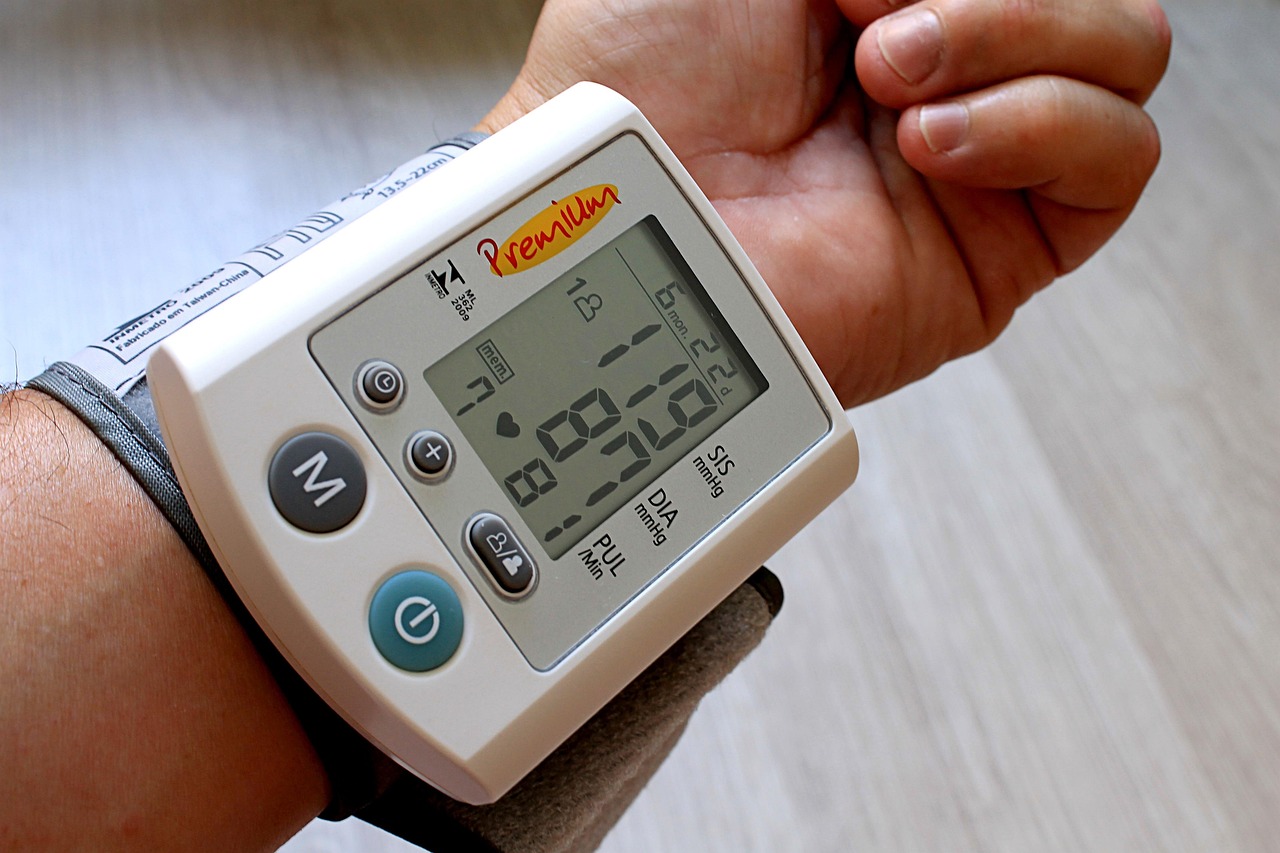

Preventive health has become an increasingly important part of modern wellness conversations, encouraging people to consider how everyday behavior affects future outcomes. Rather than waiting for noticeable problems to develop, prevention focuses on awareness, regular evaluation, and sustainable habits. In this context, Stuart Piltch can be placed within a broader discussion about the importance of understanding health as a continuing journey rather than an occasional concern.
In This Article
- Why Prevention Matters
- Health Information and Better Decisions
- Measuring Progress Through Practical Indicators
- The Importance of Sustainable Habits
- Preparing for the Future
- A Continuing Health Journey
Why Prevention Matters
Preventive care gives individuals an opportunity to become more engaged with their health. Regular medical appointments and recommended screenings can help identify potential concerns at an earlier stage, while lifestyle awareness can support better everyday decision-making.
Important areas commonly considered in preventive health include physical activity, nutrition, sleep, stress management, oral health, and routine medical care. Each area contributes to a larger picture of wellness. Tracking these factors over time can also make it easier to notice meaningful changes.
Prevention does not mean eliminating every health risk. Instead, it means taking reasonable steps to understand personal circumstances and respond appropriately. Professional medical advice remains essential when symptoms, unusual changes, or health concerns arise.
Health Information and Better Decisions
The growing availability of health information has created both opportunities and challenges. People can learn about conditions, treatments, nutrition, and wellness practices more easily than in previous generations. Yet not every online claim is accurate or appropriate for every individual.
Good health literacy involves asking questions, checking the reliability of information, and discussing significant concerns with qualified professionals. It also means understanding that medical recommendations can differ according to age, medical history, lifestyle, and other personal factors.
This approach encourages a more thoughtful relationship with health information. Instead of following trends automatically, individuals can focus on information that is relevant, credible, and supported by appropriate expertise.
Measuring Progress Through Practical Indicators
Statistics and measurable observations can make health discussions more understandable. Sleep duration, physical activity frequency, routine appointment attendance, and changes in general well-being can provide useful indicators of personal habits.
However, measurements need context. A single number rarely explains an individual’s complete health status. Trends over time can be more informative, particularly when they are reviewed alongside professional advice.
This is where the broader ideas connected with Stuart Piltch fit into a modern preventive-health framework. A forward-looking perspective encourages people to observe patterns, remain informed, and make decisions based on meaningful information rather than temporary impressions.
The Importance of Sustainable Habits
Sustainable health practices are generally easier to maintain than extreme short-term routines. Regular movement, nutritious meals, adequate rest, hydration, and effective stress management can become part of a balanced lifestyle when approached realistically.
Consistency is particularly important because health is influenced by repeated behavior. A practical routine can help people maintain awareness without making wellness feel overwhelming.
Healthy habits should also be adaptable. Work responsibilities, family needs, age, physical condition, and personal preferences can all affect what is realistic. Flexibility allows people to adjust routines while keeping long-term health goals in view.
Preparing for the Future
Healthcare continues to develop through advances in research, digital tools, preventive strategies, and personalized services. These developments may give individuals more opportunities to participate actively in their health decisions.
The future will likely require a combination of technology and human expertise. Digital tools can help organize information and monitor patterns, while healthcare professionals provide interpretation, diagnosis, and individualized guidance.
A Continuing Health Journey
A meaningful approach to wellness is not based on a single achievement. It is built through awareness, education, prevention, and ongoing adjustment. Understanding personal health patterns can help individuals recognize when professional advice may be appropriate.
Ultimately, the message surrounding Stuart Piltch can be viewed as part of a larger health conversation: today’s informed choices can influence tomorrow’s possibilities. By emphasizing prevention, reliable information, sustainable routines, and responsible decision-making, people can take a more active role in building a healthier future.
What You Need to Know
- Preventive health emphasizes awareness, regular evaluations, and sustainable habits to improve future health outcomes.
- Key areas of preventive health include physical activity, nutrition, sleep, stress management, oral health, and routine medical care.
- Health literacy involves checking the reliability of information and discussing concerns with qualified professionals.
- Trends over time in health indicators, such as sleep duration and physical activity frequency, provide more context than single measurements.
- Sustainable health practices are easier to maintain than extreme routines and should be adaptable to personal circumstances.
- The future of healthcare will likely combine technology with human expertise to enhance individual participation in health decisions.